
Use Cases
Here we present use cases that have been realized with the help of CAIMed research. The application examples illustrate how the methods and findings developed in the project could be used in practice. The short descriptions explain the underlying ideas, central questions and technical background to give an impression of the potential offered by CAIMed research.

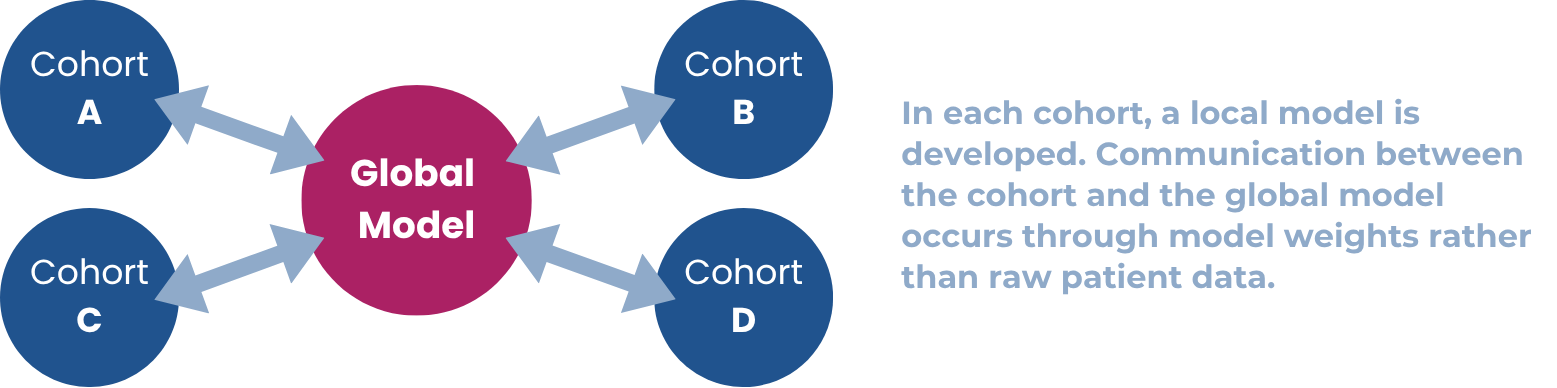
By enabling the development of accurate, privacy-preserving models from distributed datasets, FEDCOV allows healthcare providers to collaboratively build predictive models for COVID-19 severity, long-term symptoms, and treatment outcomes without sharing sensitive patient data. This approach ensures that patient information remains secure, while still enabling the creation of robust models that can improve clinical decision-making and personalized treatment plans. Additionally, the project addresses fairness and interpretability, ensuring that the models are unbiased and transparent, which is crucial for equitable healthcare delivery across diverse patient populations.
Team:


AI & Causality
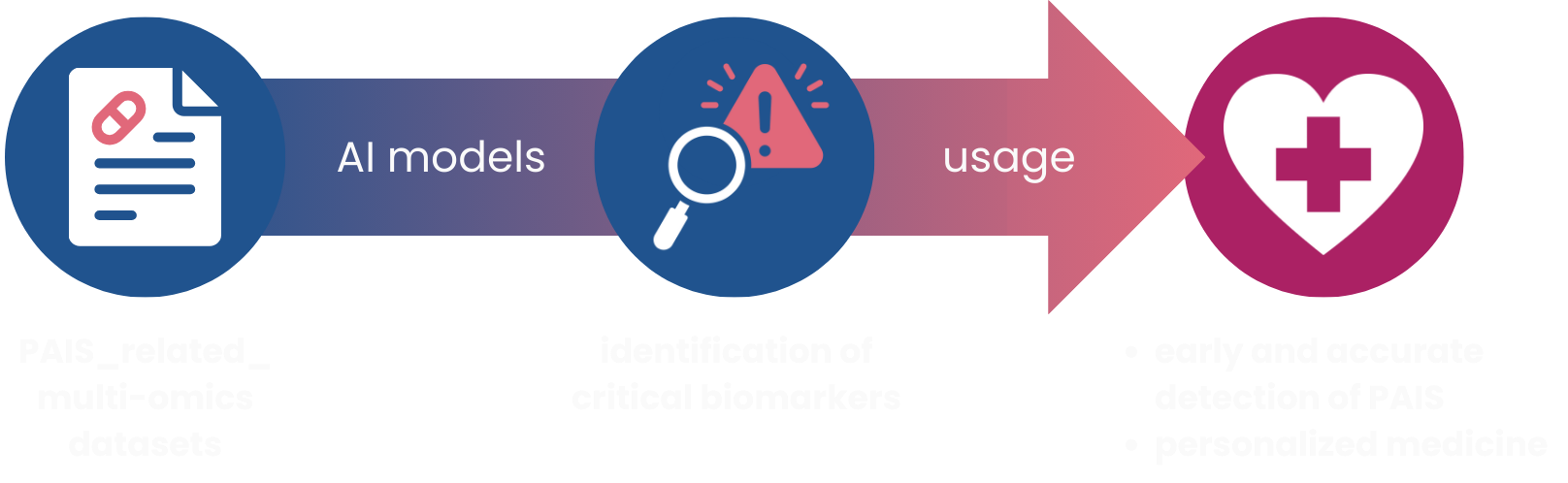
AI-driven models are being developed to enhance the diagnosis and treatment of infections and post-acute infection syndromes. These models will analyze complex datasets to uncover host-pathogen interactions and predict disease progression. The goal is to provide targeted, effective interventions that improve recovery outcomes and reduce healthcare burdens.
Team:



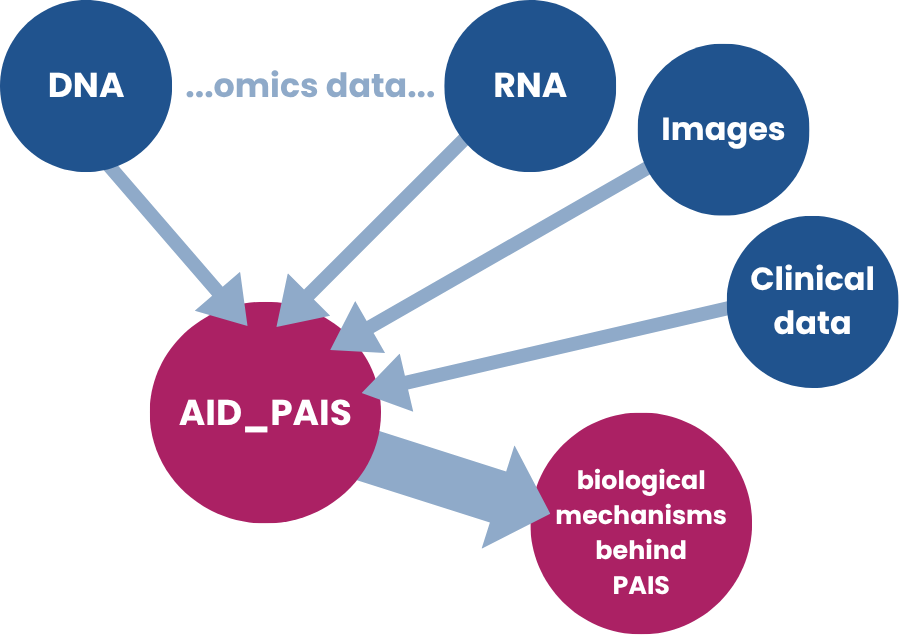
The prevalence of PAIS remains poorly understood, highlighting the need for deeper insights into its biological mechanisms. AID-PAIS will analyse diverse data types, identify molecular signatures, and uncover causal relationships driving persistent symptoms. AID-PAIS aims to enhance diagnostic accuracy, enable personalized treatments, and reduce misdiagnoses, ultimately improving public health strategies, lowering long-term healthcare costs, and strengthening preparedness for future pandemics.
Team:
AI & Bioinformatics
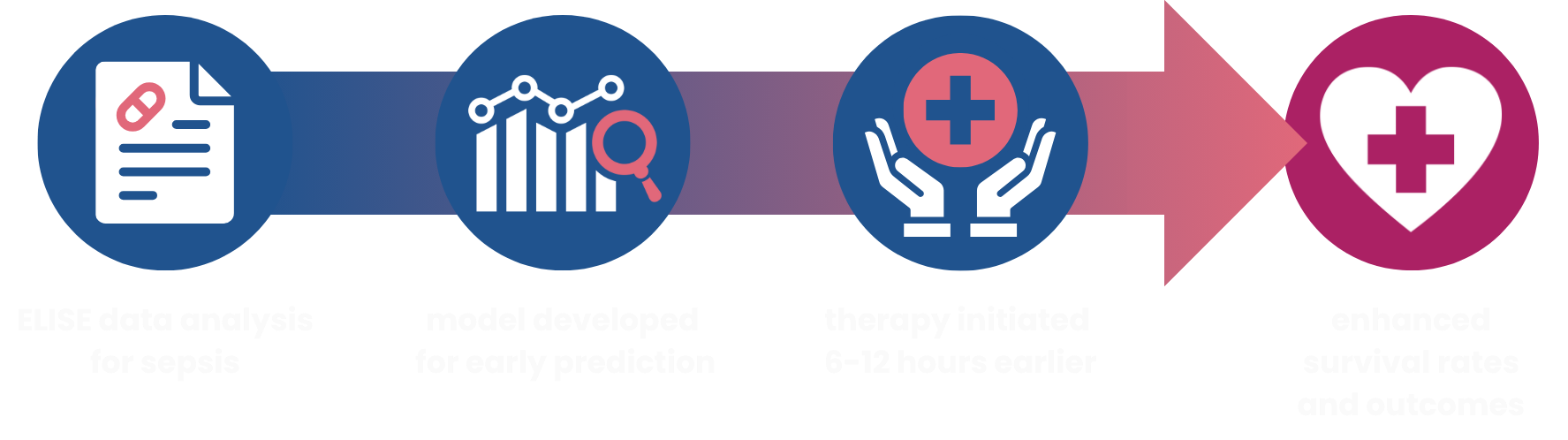
Based on the dataset from the ELISE project, a rule-based labeling model was created, on the basis of which a prediction model is being developed that can predict sepsis 6 to 12 hours before the onset of the disease. This model should enable early therapy and help to prevent the negative effects of sepsis on the course of critically ill children.
Team:


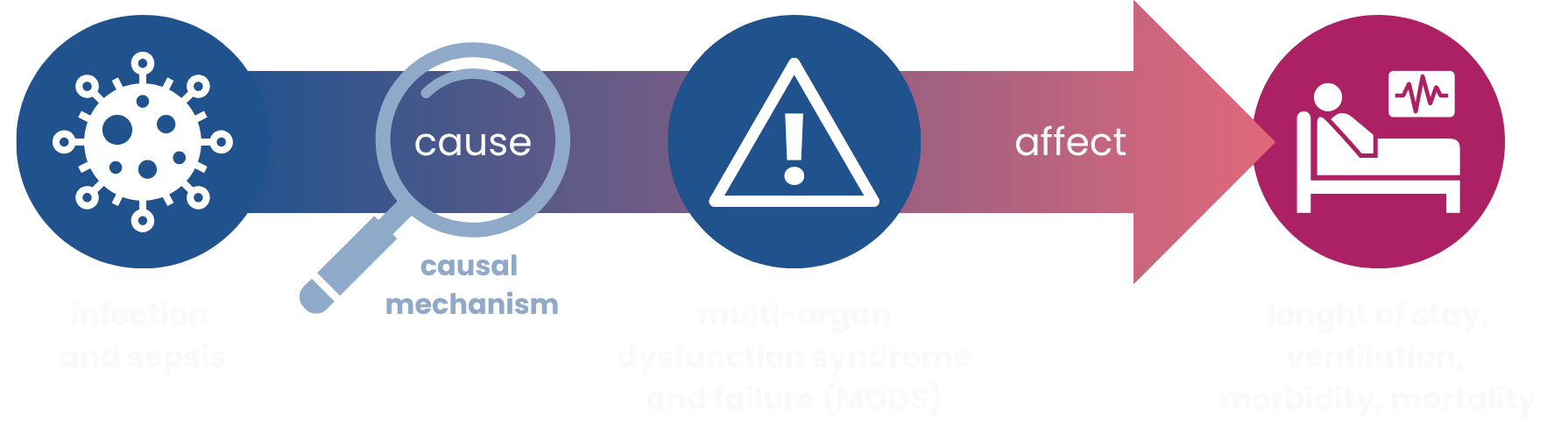
To analyze and address MODS (multi-organ dysfunction syndrome) in pediatric intensive care patients, a model is being developed to process and analyze data from a complex pediatric intensive care dataset. This model aims to identify causal relationships in the progression of MODS, enabling better understanding and prediction of organ dysfunction.
Team:
Clinical Decision Support
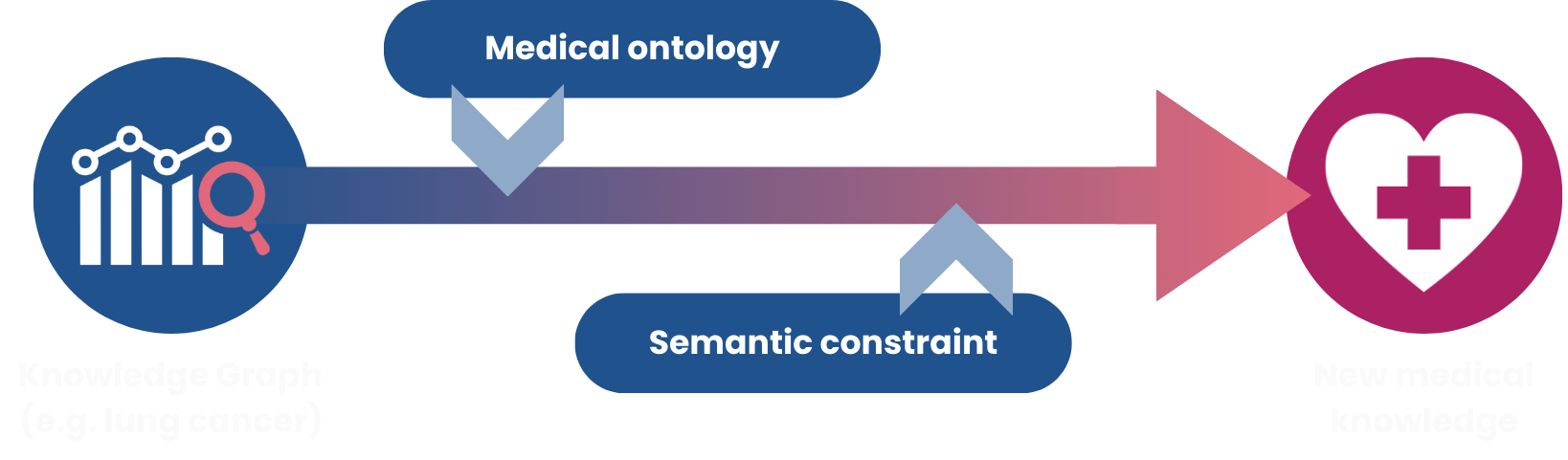
The proposed symbolic learning approach utilizes an ontological abstraction of domain knowledge to guide the extraction of interpretable and semantically valid Horn rules from a knowledge graph. The application of domain knowledge is instrumental in facilitating the extraction of interpretable and semantically valid information. A neuro-symbolic system that integrates symbolic learning from medical ontologies, inductive learning, and semantic constraint validation to extract interpretable Horn rules from knowledge graph. When applied to the context of lung cancer care, our approach enhances the prediction of novel medical relationships while ensuring semantic alignment with established domain knowledge.
Team:



Semantic Models
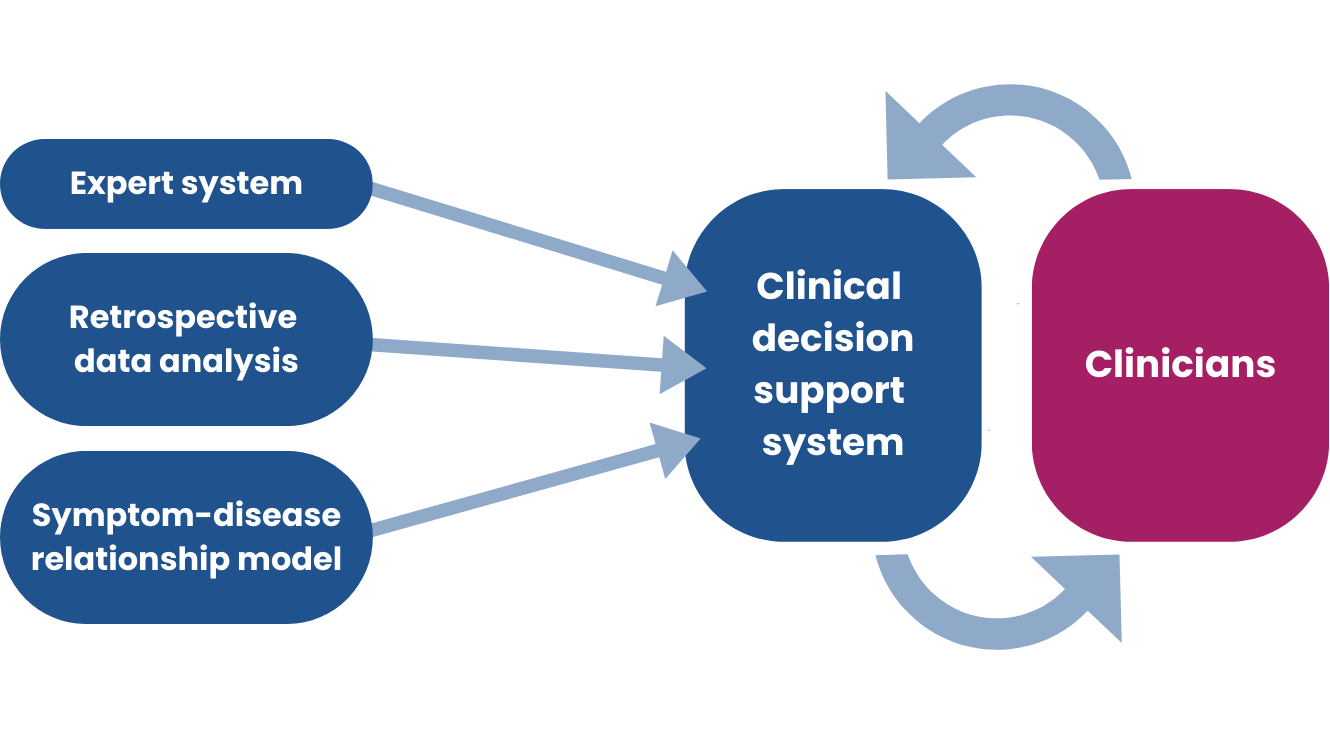
ME/CFS is a common, severe, and complex condition with a wide range of symptoms, often triggered by infections. Around 500,000 people are affected in Germany. DETECT-ME/CFS aims to develop software to support and improve the diagnostic process. The software includes a feedback loop with clinicians to enable continuous quality improvement.
Team:



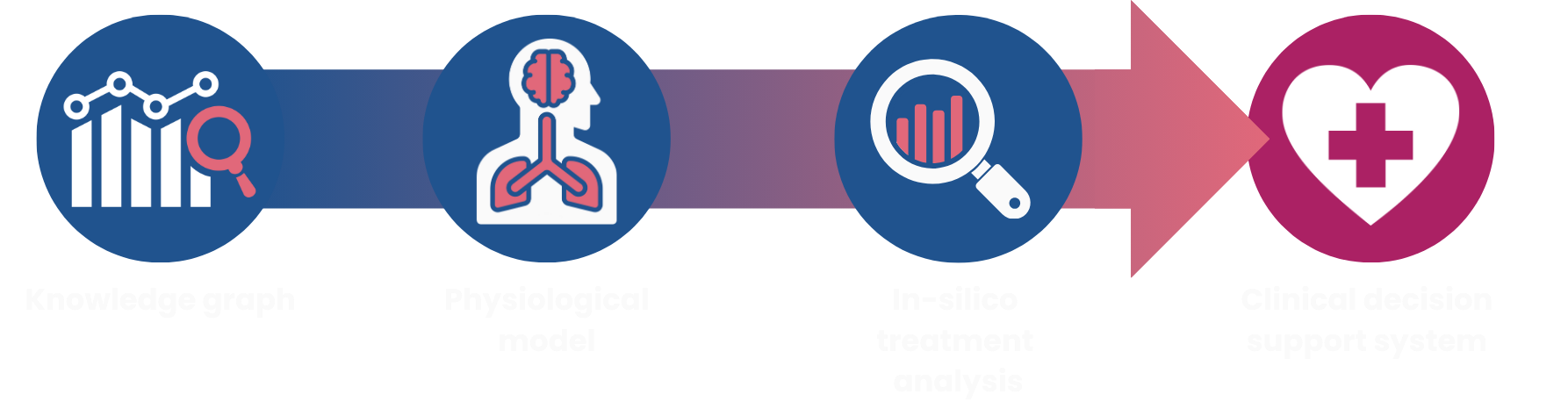
While DETECT-ME/CFS focuses on the diagnosis of ME/CFS, AID-PAIS targets subsequent therapy selection and management. By constructing a physiological model, AID-PAIS can simulate the time course of the syndrome in ME/CFS patients. Based on these predictions, optimal individualized treatments are selected for each patient. AID-PAIS will enable efficient and precise care tailored to each individual.
Team:
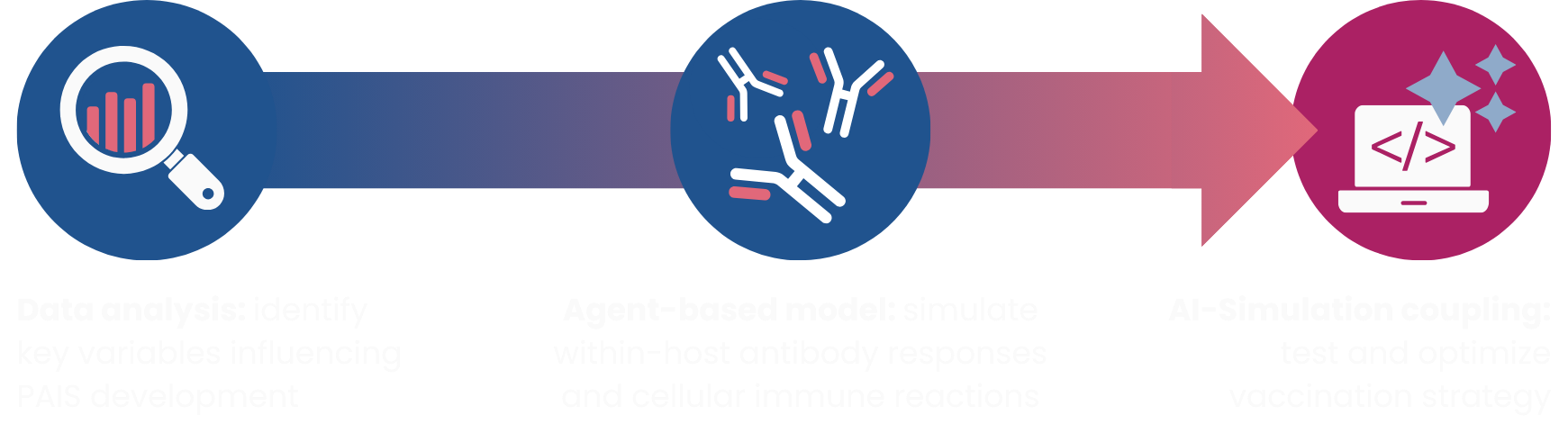
As many patients suffer from post-acute infection syndromes (PAIS), it is essential to investigate effective prevention strategies. Since these syndromes can be triggered by various infections, an intervention strategy should be developed from a population-level perspective. The AIMS project uses AI-driven population simulations to design and test such strategies, aiming to minimize the overall burden of PAIS.
Team:
Mathematical Models
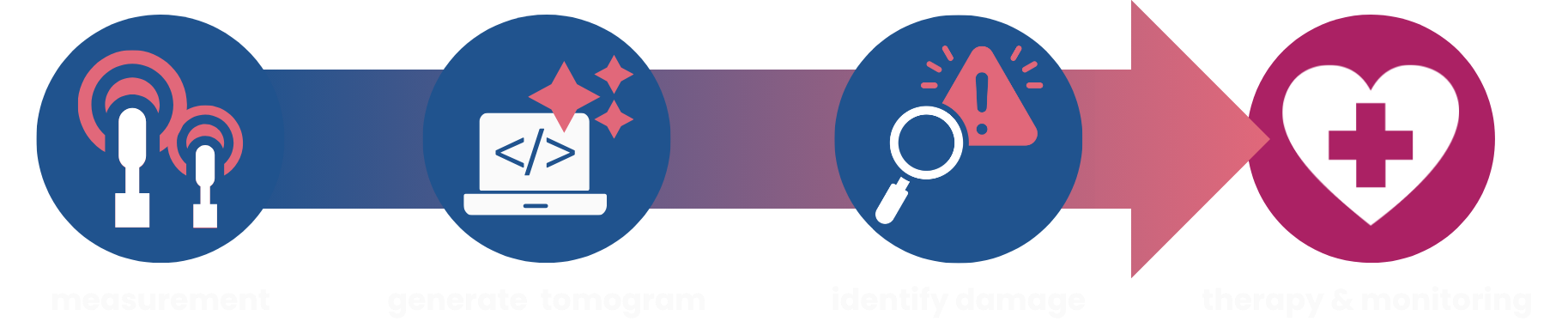
By applying AI-driven Electrical Impedance Tomography (EIT), researchers can reconstruct high-resolution lung images from minimal electrical data. This enables early detection of subtle lung damage and real-time bedside monitoring. Because it’s non-invasive and cost-effective, changes in lung function can be promptly managed, potentially reducing complications and speeding recovery.
Team:


Digital Twins
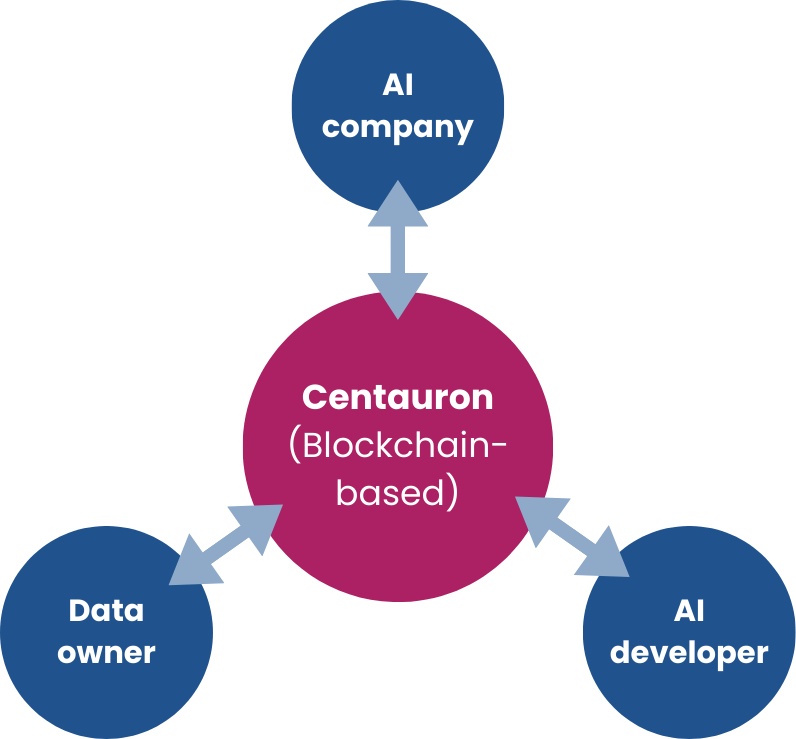
When developing AI models in healthcare, Centauron brings together hospitals, researchers, and other stakeholders to support secure, collaborative development and continuous improvement of AI tools. It protects the intellectual property of all parties and ensures that every action is transparently recorded on a blockchain. Data owners stay in full control of what is shared, with whom, and under what conditions. This allows institutions to train AI models together while keeping patient data private, accelerating the creation of accurate and trustworthy healthcare solutions.
Team:


Collaborative Development & Validation
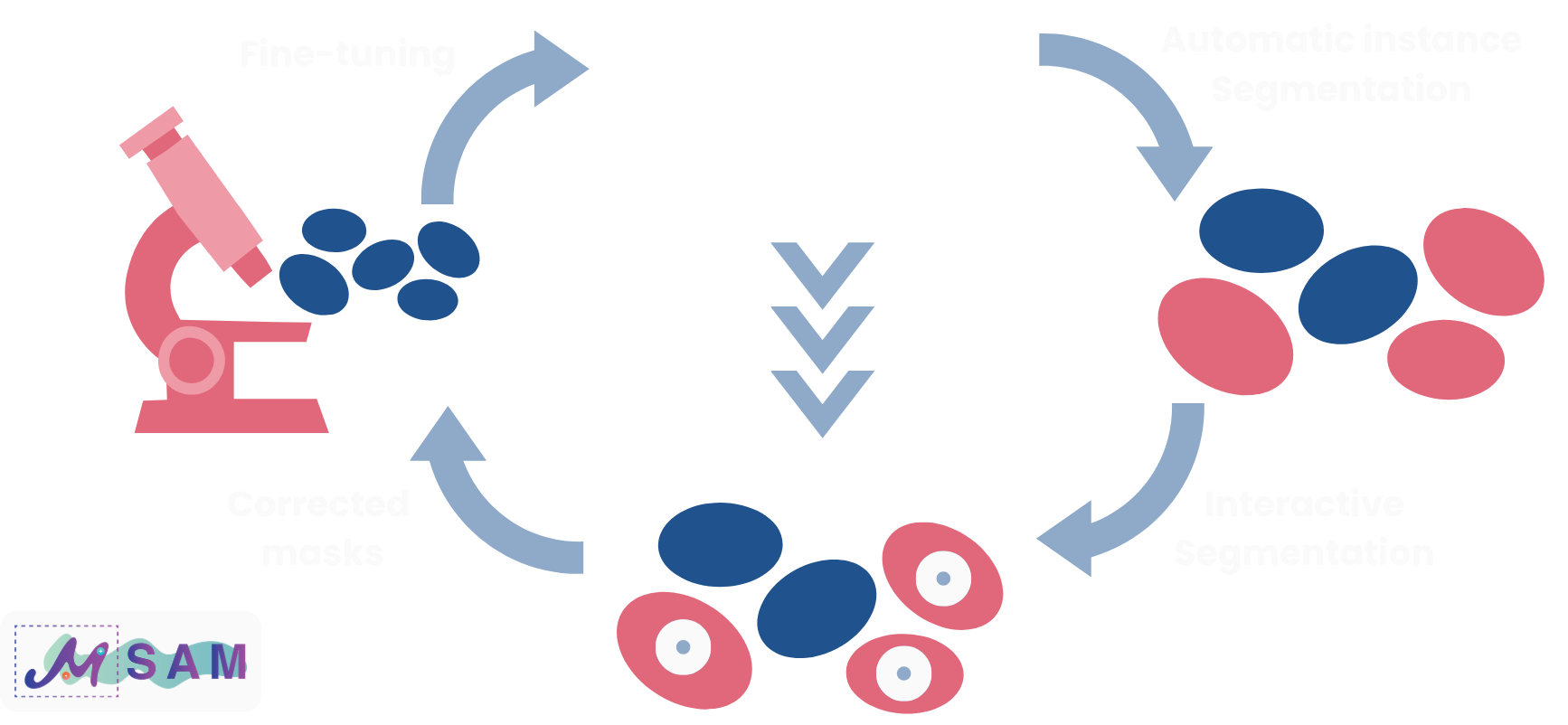
Eine verlässliche Analyse biomedizinischer Bilddaten ist entscheidend, um Krankheitsmechanismen zu verstehen. Foundation-Modelle bieten neue Möglichkeiten zur Analyse komplexer Bilddaten wie Mikroskopie oder Computertomografie. Die vorliegende Arbeit untersucht diesen Ansatz in der Mikroskopie, Histopathologie und medizinischen Bildgebung anhand von μSAM, PathoSAM und MedicoSAM, die auf dem Segment-Anything-Modell basieren und Zellen, Zellkerne, Gewebe und Organe in verschiedenen Bildgebungsmodalitäten segmentieren. Diese Entwicklungen zeigen, wie Foundation-Modelle die Flexibilität, Reproduzierbarkeit und Effizienz in der biomedizinischen Bildanalyse über viele Anwendungsbereiche hinweg verbessern können. Die Modelle werden bereits weit verbreitet eingesetzt, um verschiedenste Analyseaufgaben zu beschleunigen.
Project manager: