
3 questions for...
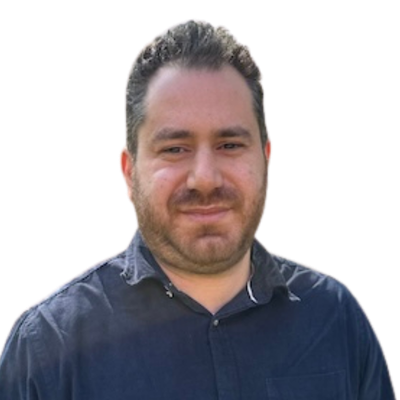
Dr. Mohamad Ballan
Group member
I am a Postdoctoral Researcher in Bioinformatics at the Centre for Individualised Infection Medicine (CiiM) at Hannover Medical School. Throughout my academic and research journey, I have developed experience in multi-omics data analysis, integrating genomic, epigenomic, and transcriptomic data, including disease-specific eQTL, EWAS, and GWAS analyses, to better understand complex biological systems. My research focuses on how genetic variation and DNA methylation interact to shape immune responses, with the goal of understanding why individuals differ in their susceptibility to immune-related diseases and helping advance personalized medicine. Within CAIMed, my work plays a key role in the integration and analysis of complex biomedical data, directly supporting the consortium's goal of advancing data-driven and individualized medicine.
1.
You work with what is known as multi-omics data, in other words, a wide variety of biological data sources. What new insights can be gained by analysing this data collectively rather than in isolation?
When we analyse biological data in isolation, we only see one part of the picture. By bringing together genomic, epigenomic, and transcriptomic data, we can better understand how genetic variation and epigenetic regulation work together to influence gene expression and immune responses. Looking at these data collectively helps us identify disease-associated markers and biological pathways that we would likely miss if we analysed each data type separately. This gives us a more complete understanding of the biological mechanisms underlying health and disease.
2.
What particularly appeals to you about developing a comprehensive picture of health and disease from a wide variety of biological data sources?
What appeals to me most is the complexity of biological data and the challenge of making sense of it through data integration. No single data type can capture the whole picture, genetics provides the inherited variation, epigenetics adds a flexible layer shaped by environment and lifestyle, and gene expression reflects how cells respond under different conditions. Bringing these layers together helps us better understand why individuals respond differently to disease and identify the molecular mechanisms behind that variation.
3.
. How can research institutions such as CAIMed help ensure that findings from data-driven research find their way into clinical application more quickly?
Bringing research into clinical practice requires people from different fields to work closely together. Bioinformaticians, clinicians, and AI researchers all bring different expertise, and CAIMed creates an environment where they can collaborate to answer the same research questions. This makes it much easier to turn computational discoveries into findings that can eventually improve patient care.