
3 questions for...
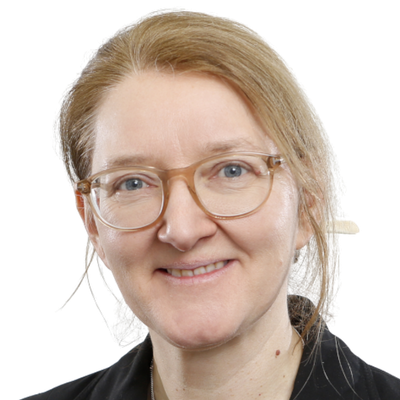
Prof. Dr. Dagmar Krefting
Mentor
Dagmar Krefting ist Professorin für Medizinische Informatik und zugleich Direktorin des Instituts für Medizinische Informatik der Universitätsmedizin Göttingen. Ihre Forschungsschwerpunkte sind zum einen kollaborative Infrastrukturen für institutionsübergreifende biomedizinische Forschungsverbünde, wie die Deutsche Zentren für Herz- und Kreislauferkrankungen und für Kinder und Jugendgesundheit, das Netzwerk Universitätsmedizin, sowie verschiedene Konsortien im Rahmen der Medizininformatikinitiative. Zum anderen entwickelt sie Methoden der multimodalen Biosignalverarbeitung, unter anderem für die Erforschung von schlafbezogenen Störungen. Die Methoden umfassen statistische Verfahren, „klassische“ nichtlinieare Zeitreihenanalyse und Maschinelles Lernen. Beim Einsatz von KI-Verfahren liegt der Schwerpunkt auf Vertrauenswürdigkeit, z.B. Erklärbarkeit, Generalisierbarkeit und Reproduzierbarkeit.
1.
Durch Labordaten, klinische Studien oder genetische Analysen entstehen täglich enorme Mengen an Daten. Welche Voraussetzungen müssen geschaffen werden, damit diese Daten wirklich sinnvoll für Forschung und Versorgung genutzt werden können?
Zum einen müssen die Daten semantisch interoperabel sein. Das heißt, die Bedeutung der Daten und die Kontextinformationen müssen zuverlässig automatisiert verarbeitet werden können. Das ist technisch und mit der Fachexpertise lösbar. Das größte Hemmnis ist aber nach wie vor die absolut heterogene und lokale datenschutzrechtliche Bewertung der Zulässigkeit der Verarbeitung für Forschung und Versorgung. Hier kann ich nur hoffen, dass wir mit dem Europäischen Gesundheitsdatenraum harmonisierte Rechtsgrundlagen haben, die dann auch von allen Akteur:innen akzeptiert werden.
2.
Digital research infrastructures are also intended to indirectly improve patient care. How can the transfer of data-driven research into clinical practice be successfully achieved?
Grundsätzlich sind die Aufwände bei der Entwicklung von digitalen Tools in der Gesundheitsversorgung z.B. im Vergleich zur Medikamentenentwicklung gering, aber eben doch mit deutlich mehr als in anderen Bereichen. Hier ist eine Unterstützung von Startups und Ausgründungen in der Umsetzung der Regularien, zum Beispiel nach Medizinproduktegesetz und KI-Verordnung in erheblichem Umfang notwendig. Dies umfasst auch einen innovationsfreundlichen Zugang zu Trainings- und Validierungsdaten in digitalen Forschungsinfrastrukturen
3.
When we think about the future: what developments in data standards, interoperability and governance are crucial for the scalable, cross-organisational use of AI in medicine?
Es ist ja kein Zufall, dass ein Großteil der zugelassenen KI-Verfahren in der Medizin in der Bildanalyse zu finden sind – dank DICOM haben wir da seit vielen Jahren einen etablierten Standard. Ich sehe das Hauptproblem darin, dass proprietäre Datenformate und Insellösungen für die Hersteller von Gesundheitsinformationsystemen immer noch die besseren Markstrategien zu sein scheinen, trotz zahlreicher Gesetzesinitiativen. Wenn schon einmal die existierenden Standards implementiert und genutzt würden, dann hätten wir auch schon viel mehr vertrauenswürdige KI-Verfahren in der Versorgung – und das lernende Gesundheitssystem kann sich daraus dynamisch weiterentwickeln.